


Bulletins
Frank Lloyd Wright: Architecture Integrated with Nature
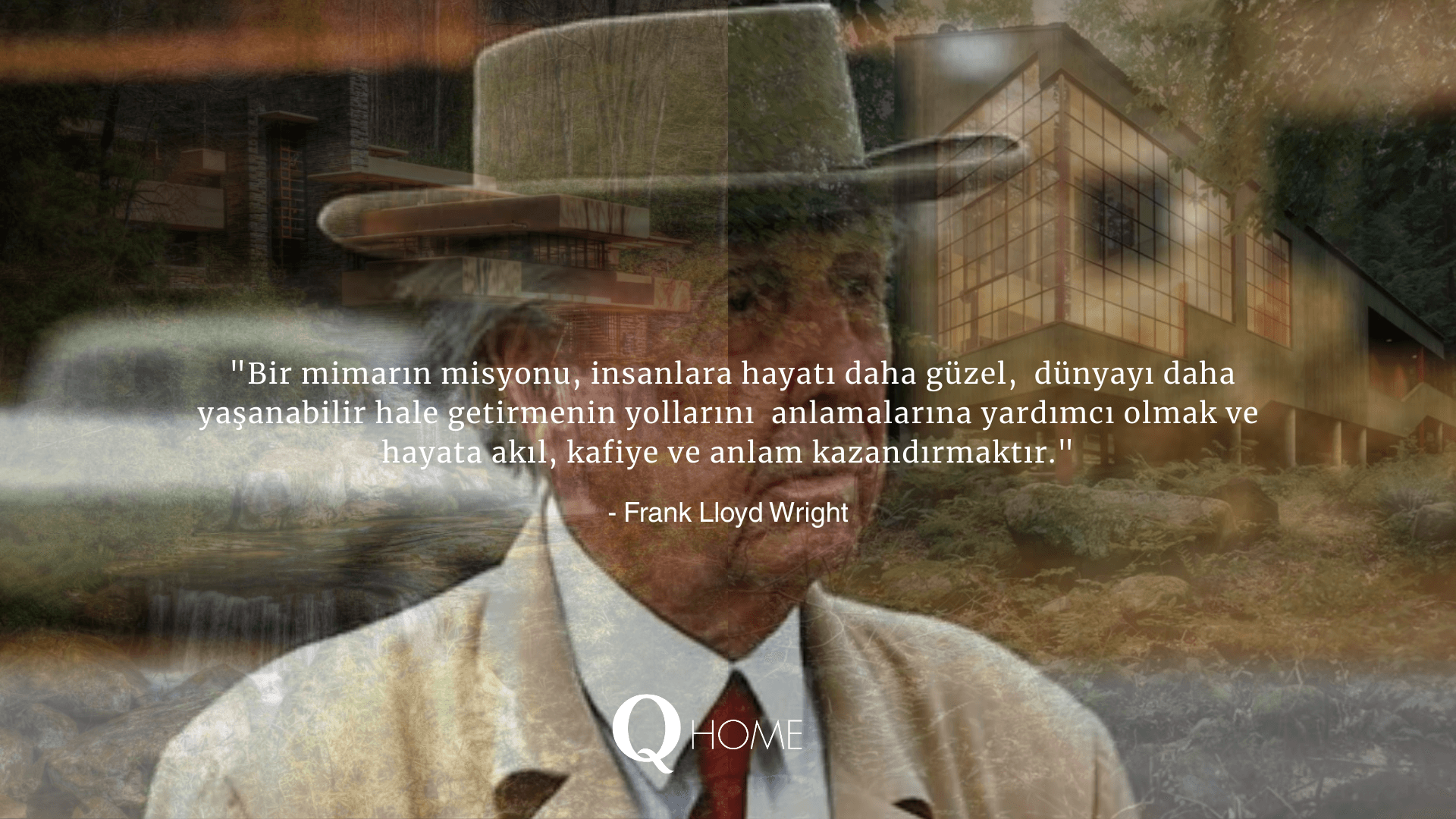
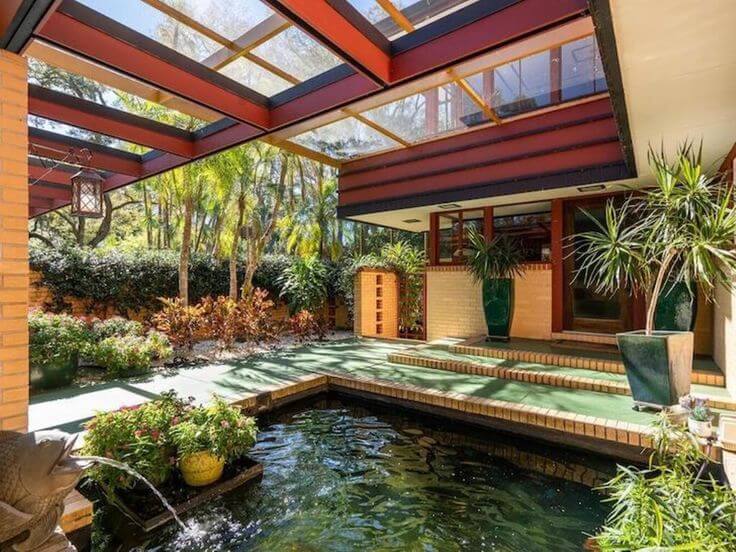
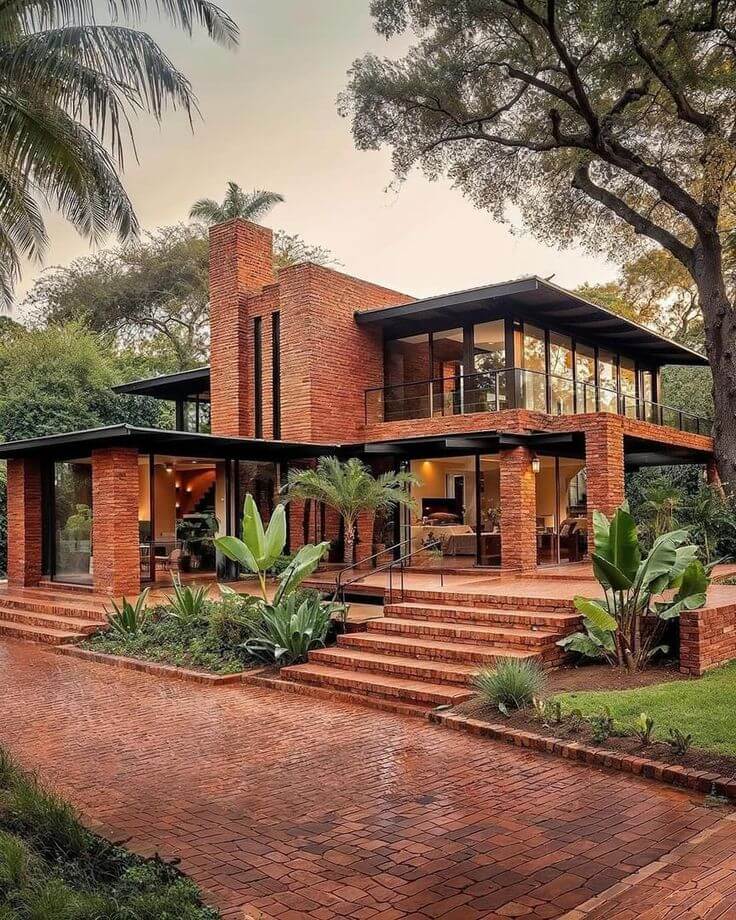
Frank Lloyd Wright, one of the most powerful figures of 20th-century modern architecture, transformed not only structures but also the relationship that humans establish with nature, materials, and life itself.
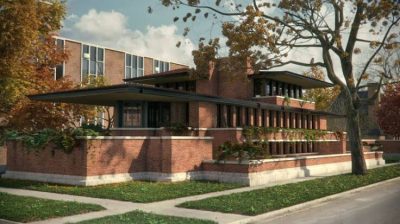
For him, architecture was not about producing an independent object, but about creating an organism that lives in harmony with its surroundings. His designs evolved as they responded to the changing needs of American society; the Prairie style he developed in the early 1900s brought the tranquility of the prairies into the home with its horizontal lines and open plans. As one of the most prominent examples of this approach, the Robie House gave American modernism a new identity with its structure that rejected the box typology and spread across the horizon.
Robie House
Usonian Houses
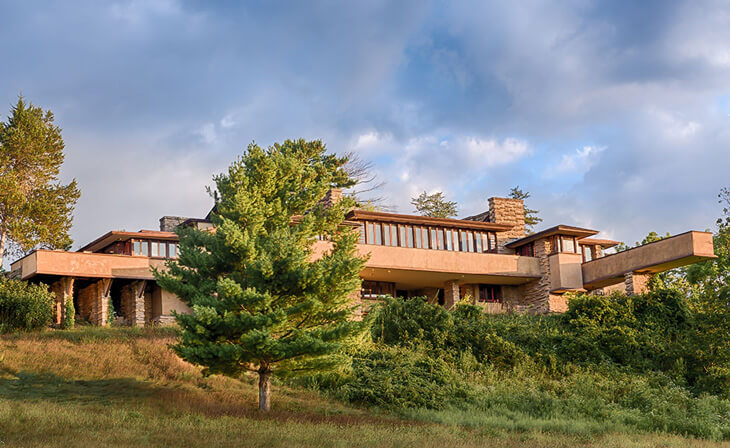
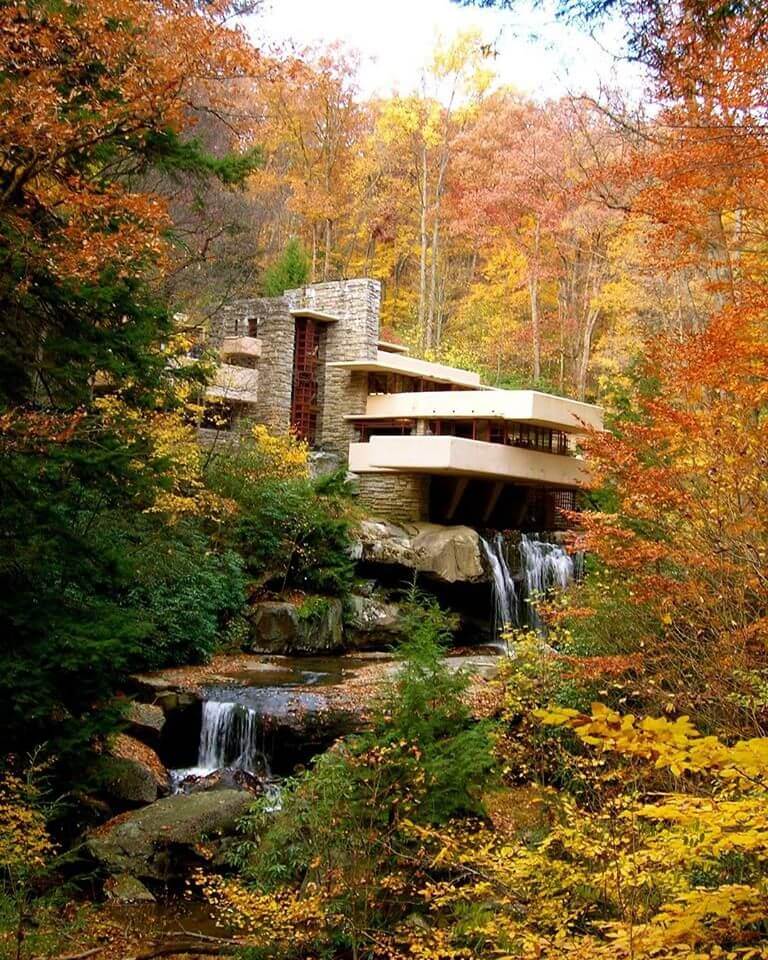
The philosophy of organic architecture became Wright’s most enduring legacy. The strongest expression of this approach, which integrates nature and structure, is Fallingwater, built in 1935. Perched upon rocks and transforming the waterfall into a part of the structure, the house demonstrated to the world how landscape and building can become an inseparable whole. Similarly, Taliesin served as both the architect’s living space and laboratory, standing as a symbol of harmony with nature and holistic design. By designing not only the buildings but also the furniture, carpets, art glass, and lighting, Wright turned the space into a single organism from start to finish.
Taliesin
Falling Water
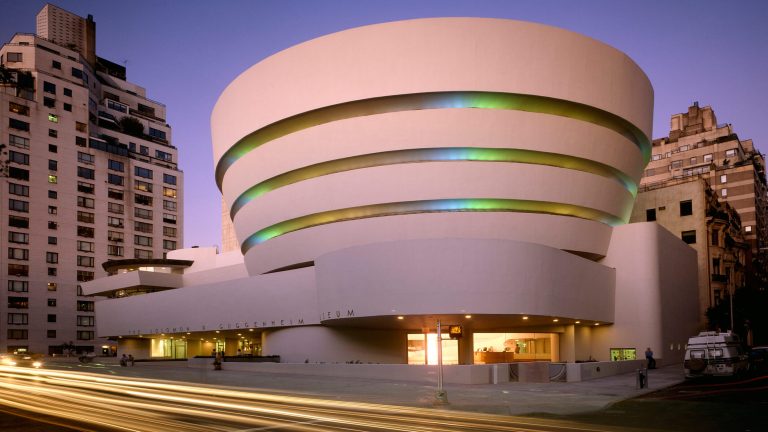
His approach to technology and the nature of materials was also radical. Concrete, steel, stone, and glass were tested to their limits in his hands; yet he always saw his purpose as creating an honest integrity that served beauty. The Guggenheim Museum in New York, with its sculptural spiral form, became an iconic expression of this vision and completely redefined the experience of art.
Guggenheim Museum
Wright viewed architecture as the “great mother art” where all arts unite. Inspired by Japanese culture, he believed that every object and every human should be part of a harmonious whole, and he advocated for every individual’s right to live a “beautiful life under beautiful conditions.” Furthermore, he set out with the understanding that "There is no architecture without a philosophy. There is no art without its own philosophy," and conveying his thoughts through his art became his primary form of expression.
Today, Wright’s approach reminds us that architecture is not merely shelter, but the art of transforming life. Harmony with nature, holistic design, and the honest use of materials remain significant as guiding values today. It is precisely this legacy that is inspiring for QHome: thinking of a space not just through furniture, but as an experience that transforms all layers of life. Frank Lloyd Wright's Barnes House.
The Barnes House