


Bulletins
Sedad Hakkı Eldem: Representative of Modern Turkish Architecture
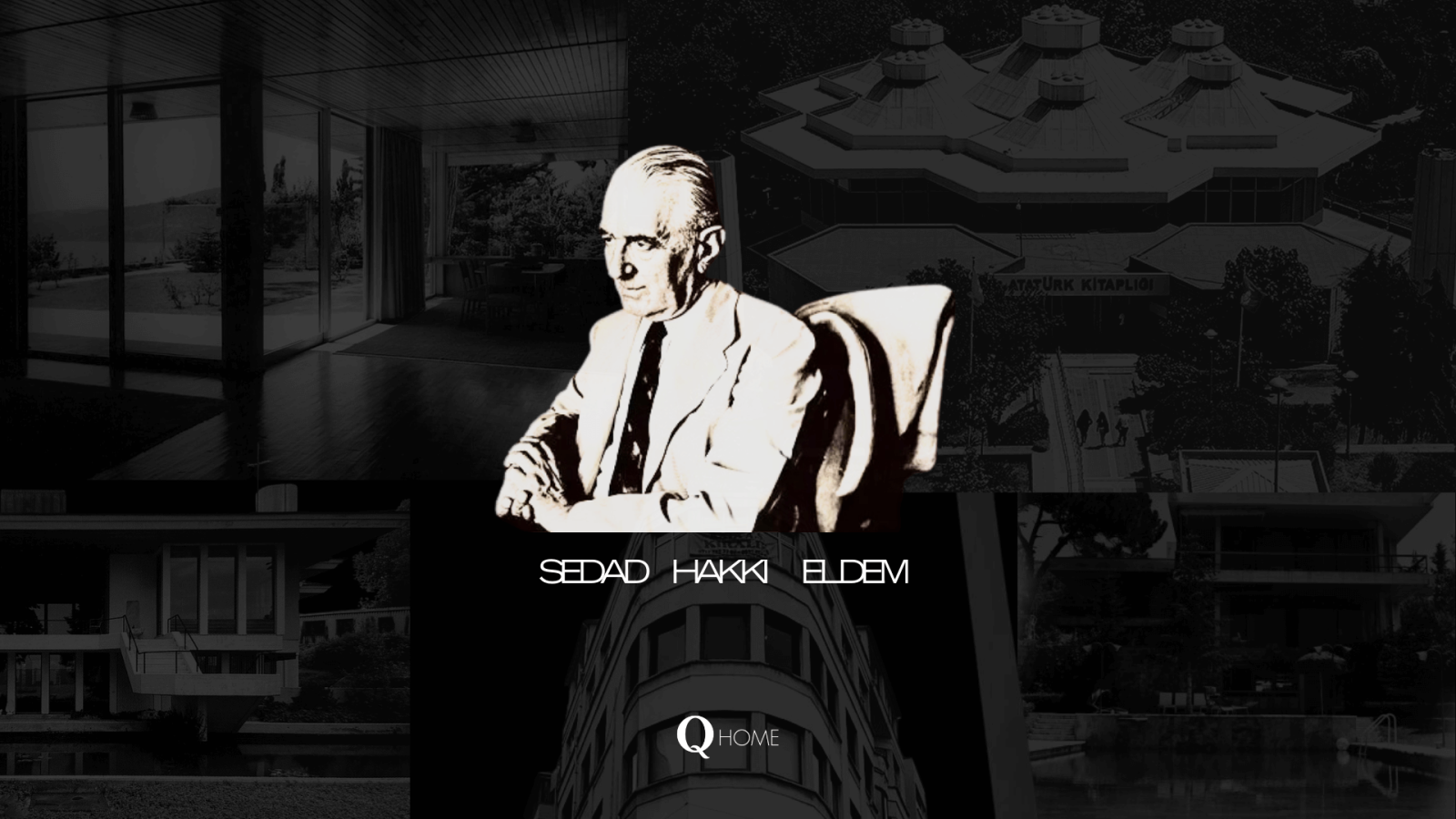
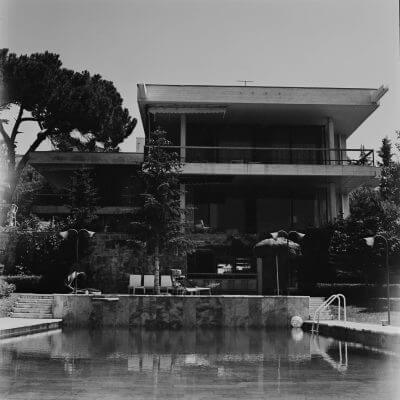
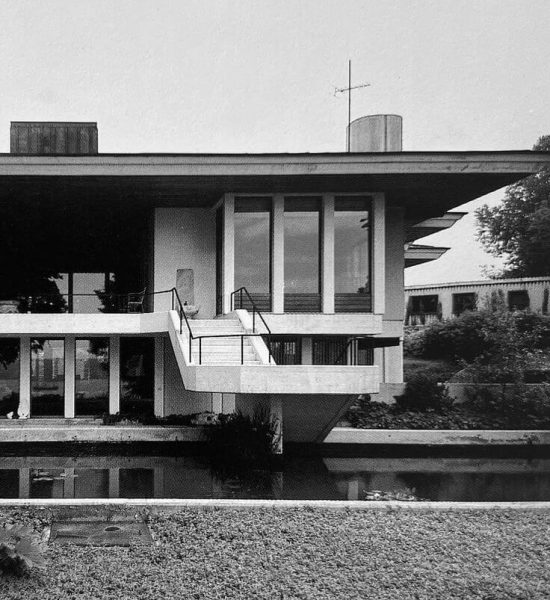
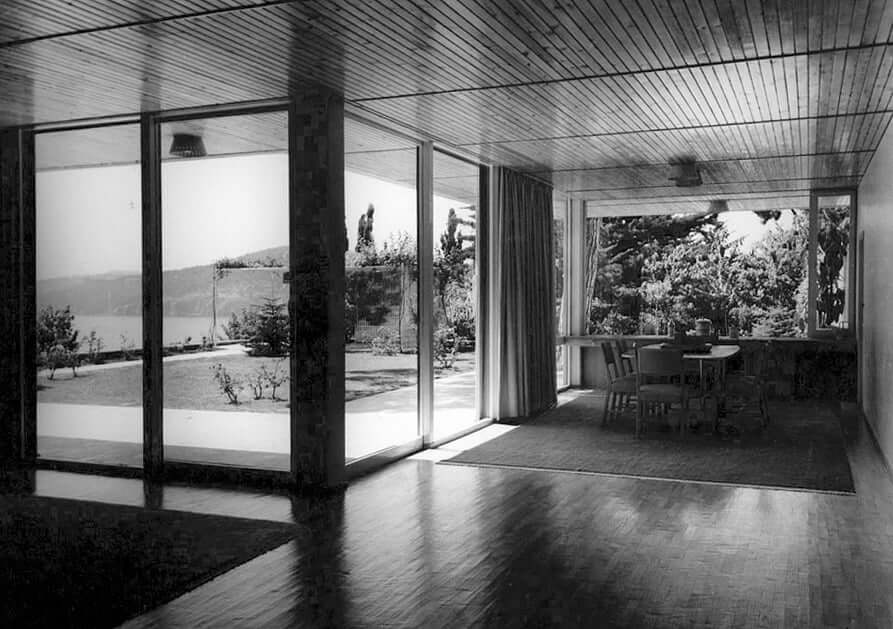
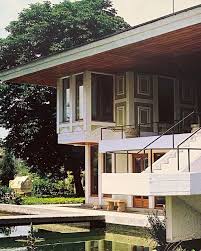
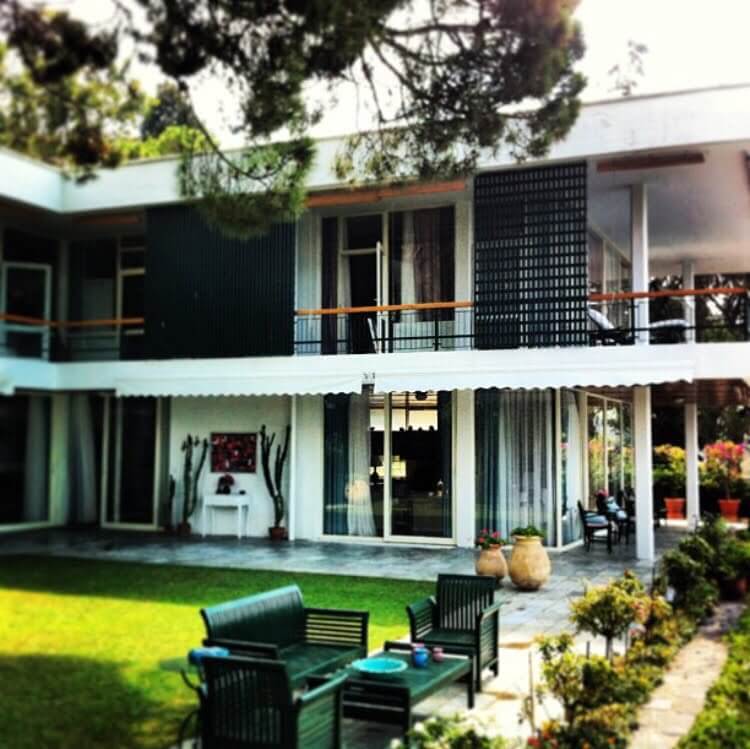
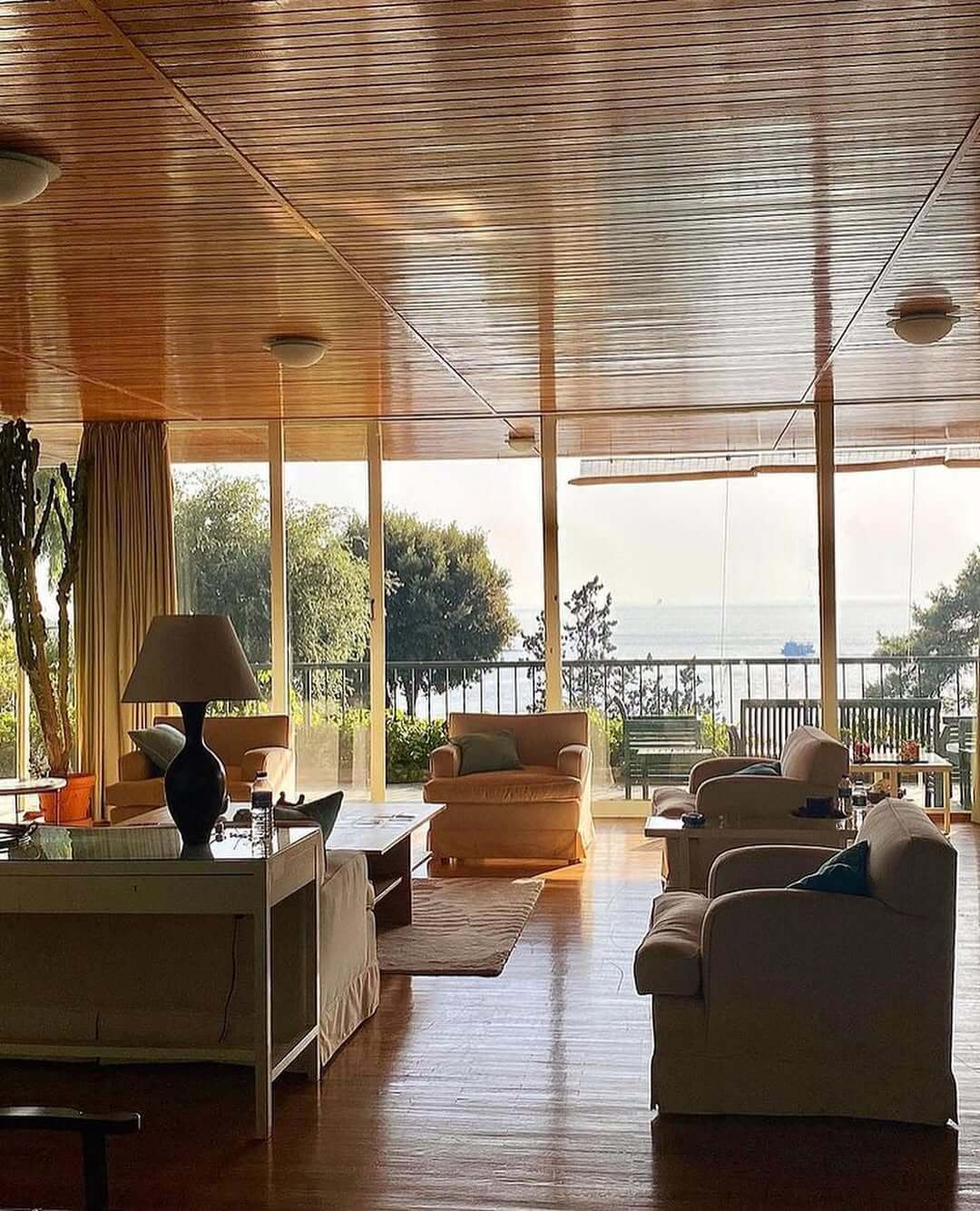
Having a nationalist perspective, Eldem dedicated his life to taking innovative steps for contemporary Turkish architecture and creating a modern language in Turkish architecture. He began his architectural practice with the "Turkish Pavilion" exhibited at the Budapest Fair in 1931; he signed his name to significant works such as the Yalova Thermal Hotel, Istanbul University Faculties of Science and Letters, Harbiye Hilton Hotel, Taksim Atatürk Library, Rahmi Koç House, and Uşaklıgil Mansion.
The Ayaşlı Mansion, which he built on Büyükada, is considered a reflection of his ideas on the Turkish House. This structure, featuring the traditional 'Karnıyarık' (central hall) house type, is based on a sofa plan with two facades. It possesses a striking architecture with its horizontal roofline, wide eaves, vertical windows, and characteristic four-column design. Additionally, the Rıza Derviş Mansion he built on Büyükada is another important work designed by blending the idea of the Turkish House with modern architecture through its 'L-type' plan.
In small-scale projects such as houses, residences, and cafes, Eldem pioneered the prominence of traditional motifs by prioritizing traditional architectural forms. In more comprehensive projects such as hotels, banks, offices, administrative, and educational buildings, he adopted rationality and functionality, emphasizing material and structural system requirements. He generally preferred to use traditional elements in formal details.
Eldem explains Le Corbusier’s relationship with Turkish architecture as follows: "Le Corbusier drew inspiration from Turkey. There are plenty of spacious terraces around the building; these are on the upper floor, paralleling our lifestyle." In Eldem’s sketches, traces of the Art Deco movement are notable, and the similarities to Le Corbusier and Bauhaus in his projects draw significant attention.
Having won numerous awards throughout his career, Eldem was honored with the Aga Khan Award and the Grand Prize of the Chamber of Architects. During the construction phase of the Ankara Ziraat Bank Headquarters building, he had the opportunity to work with Mongeri and gained significant experience under his guidance.
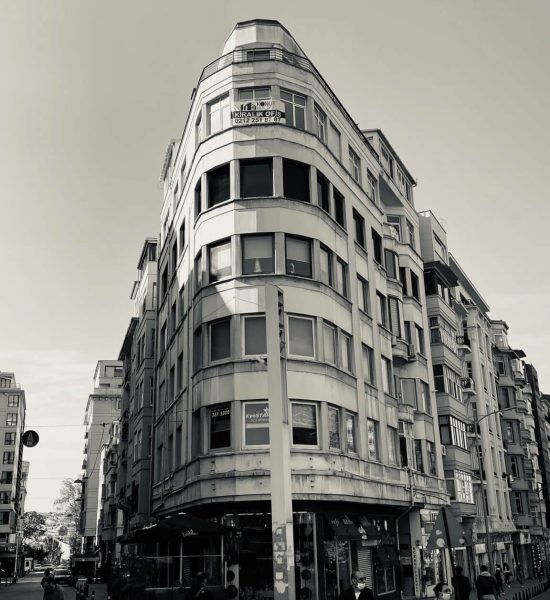
'Ceylan Apartmanı' - Pera