


Bulletins
“‘Less is More’: Mies van der Rohe’s Quiet Revolution in Architecture
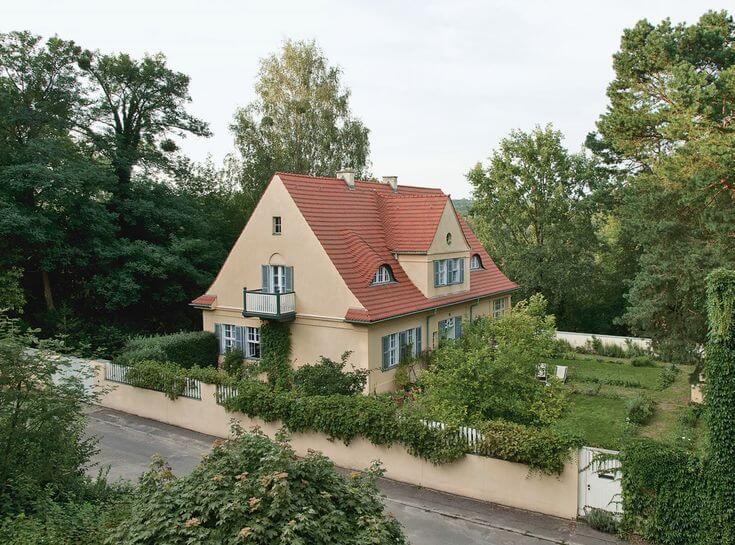

The First Architectural Step: Riehl House (1907)
Although the Riehl House, Mies’s first independent work, was designed adhering to traditional German residential architecture, the meticulousness in material use and geometric clarity are precursors to the modernist style he would develop in the future. The harmonious relationship established with nature provides the first clues of a quiet architectural approach.
The Barcelona Pavilion & Chair (1929)
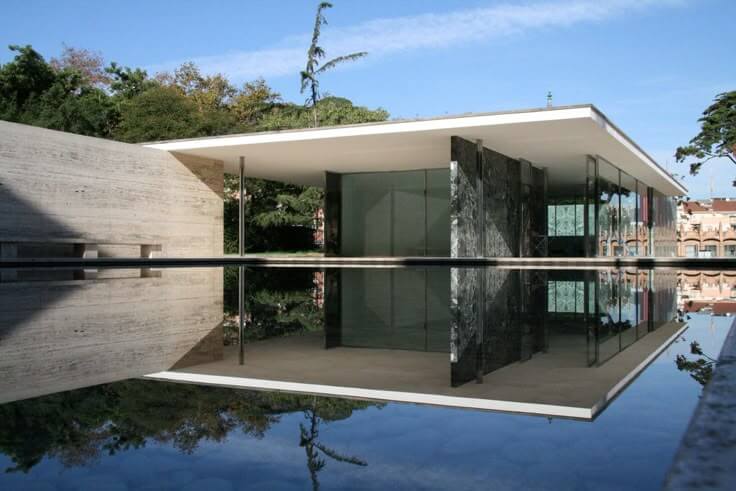
The temporary pavilion built on behalf of Germany for the Barcelona International Exposition is the first structure that brought Rohe international visibility. Emerging from the poetic harmony of glass, steel, and travertine, the structure is an example of being monumental without being ostentatious. The idea that "the building itself can be an exhibit" is embodied here.
The Barcelona Chair inside the pavilion was designed together with Lilly Reich. With its chrome steel construction and leather upholstery, it is not merely a seating unit, but an object of thought where modernism meets elegance.
Villa Tugendhat (1930): Removing the Boundaries of Modern Housing
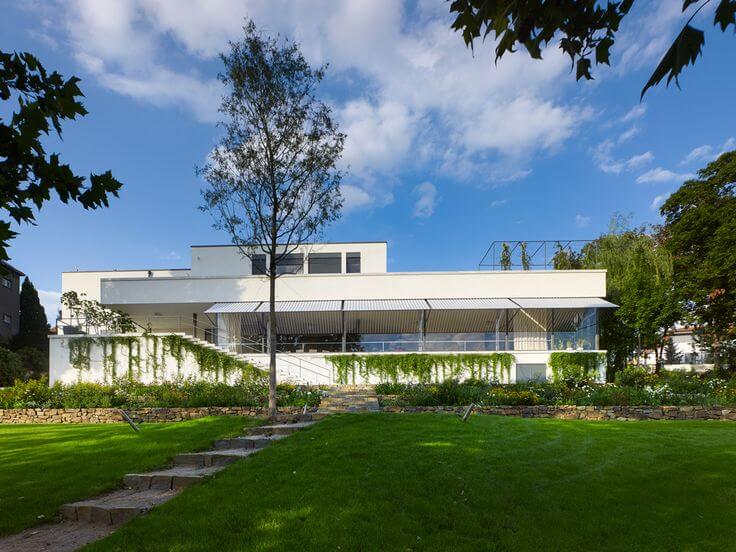
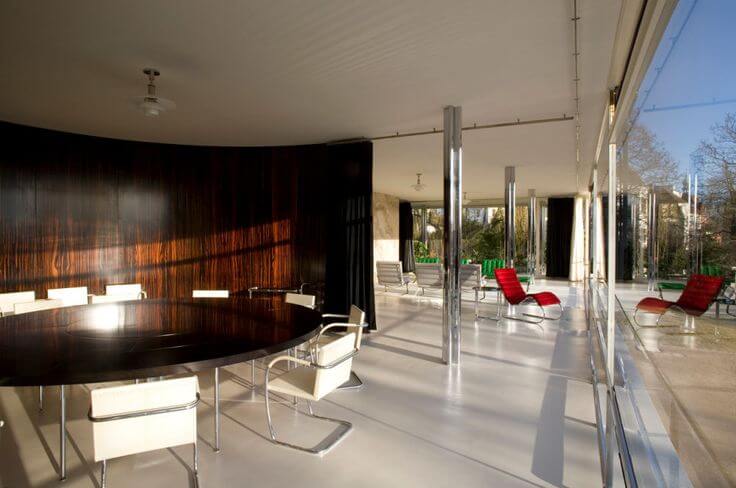
Built in Brno, Villa Tugendhat is one of the pinnacles Mies reached in residential architecture. The open-plan layout, combined with a steel structural system, enables the liberation of space. The translucent onyx panel that filters daylight is an example of the sensory relationship architecture establishes with materials. This structure has been inscribed on the UNESCO World Heritage List, recognized not only as an architectural value but also as a cultural one.
'Villa Tugendhat'
'Villa Tugendhat'
Farnsworth House (1951) and Seagram Building (1958)
During his mature period in America, Mies produced structures where simplicity merged with high aesthetics. The Farnsworth House is a transparent box that establishes a permeable dialogue between nature and human life. This structure, which conceals nothing, is radical both technically and spatially.
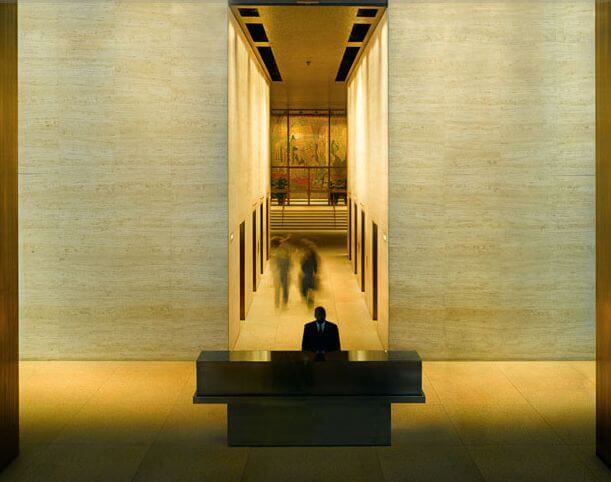
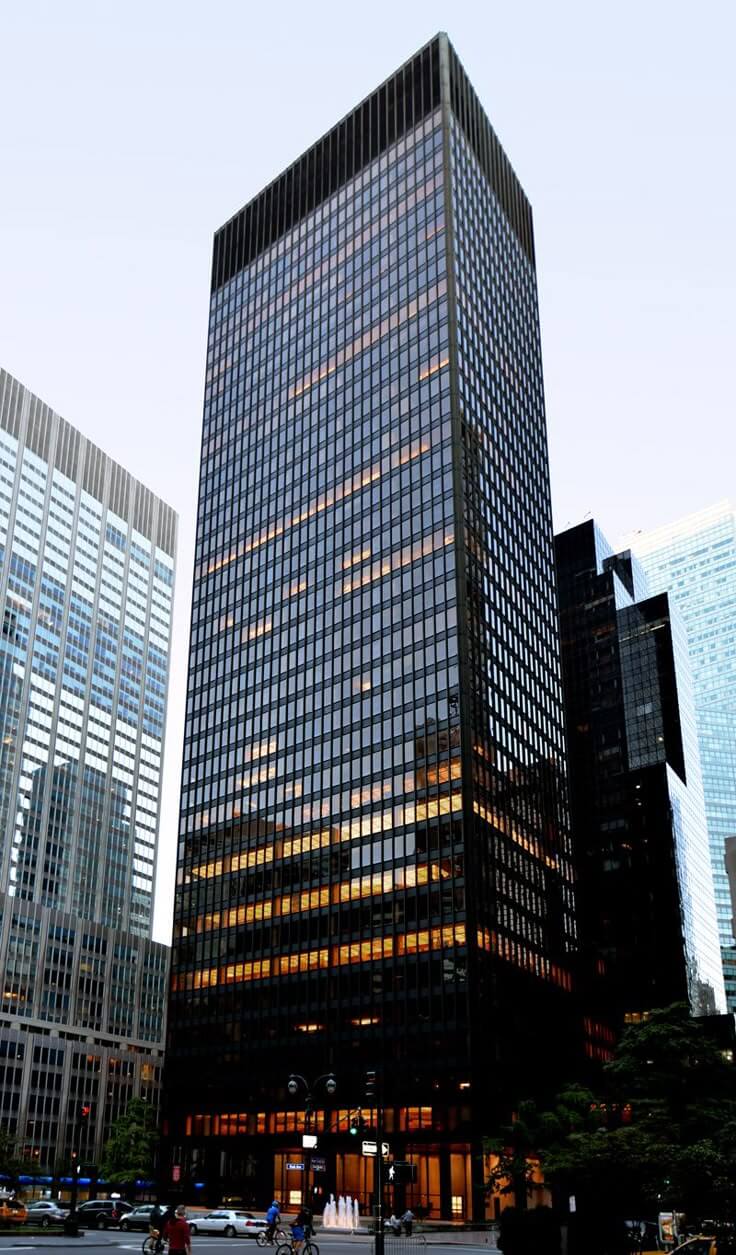
As New York’s first bronze-clad skyscraper, the Seagram Building introduced a new language to the modern urban skyline. The building's interiors, including the tables and chairs, are an extension of Rohe’s quest for integrity in furniture design.
'Seagram Building' - Lobby
For Mies van der Rohe, architecture is not merely the production of structures, but the proposal of a way of life. His boundaries do not confine space; they liberate it. The meticulous attention he pays to detail stems from a desire to discover the meaning behind the surface.
Just as he said: